
History
A strong heritage built by a dedicated community.
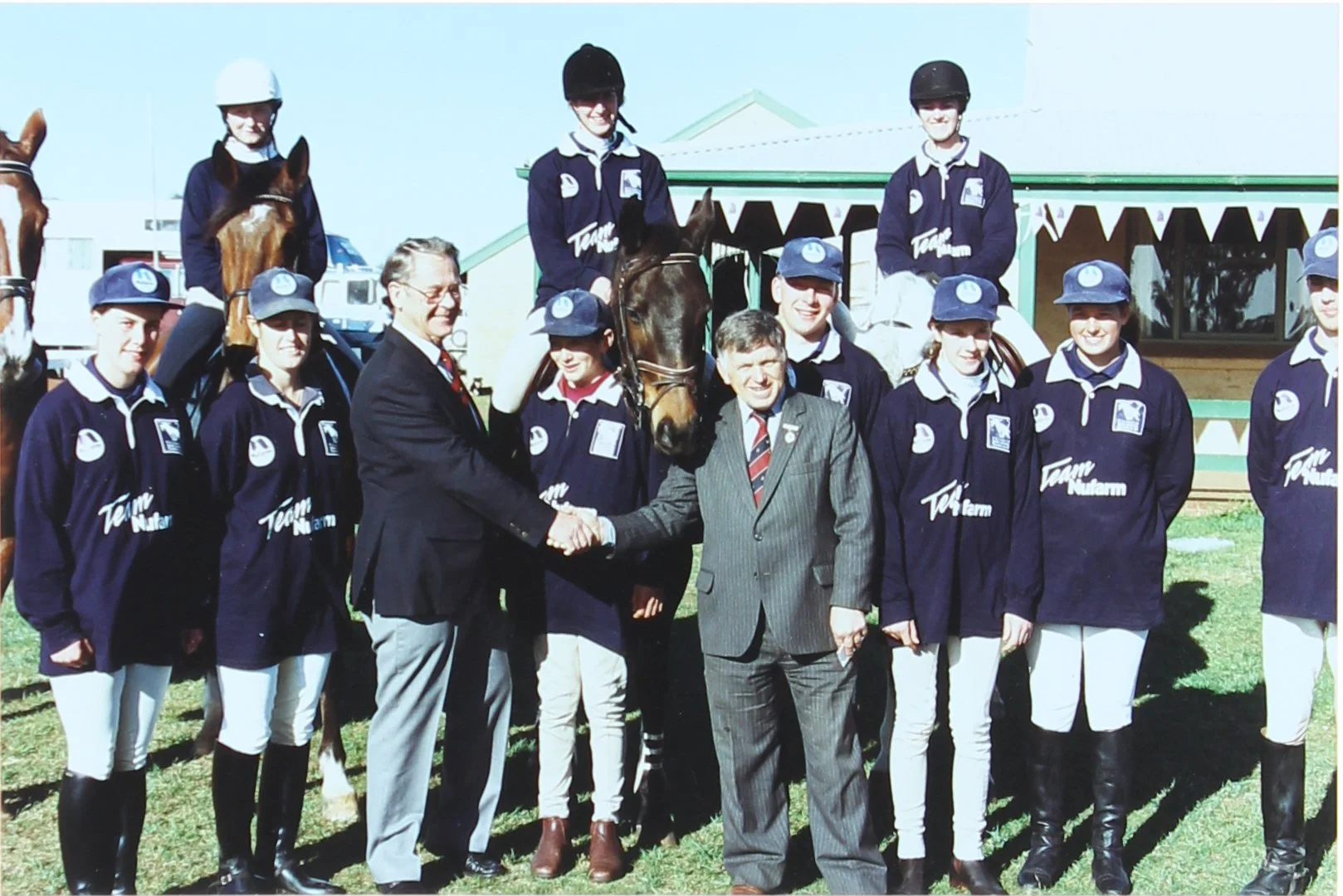
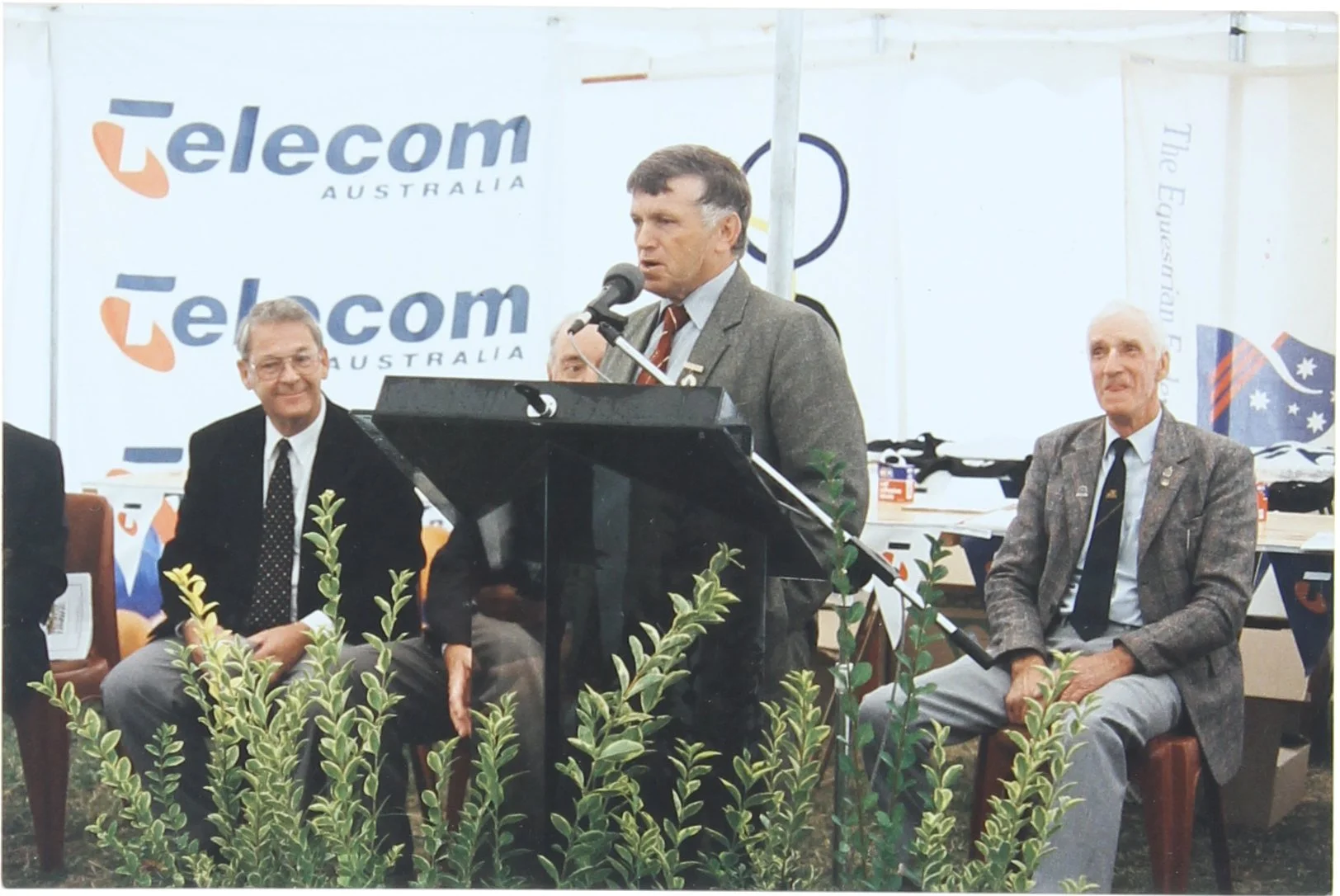
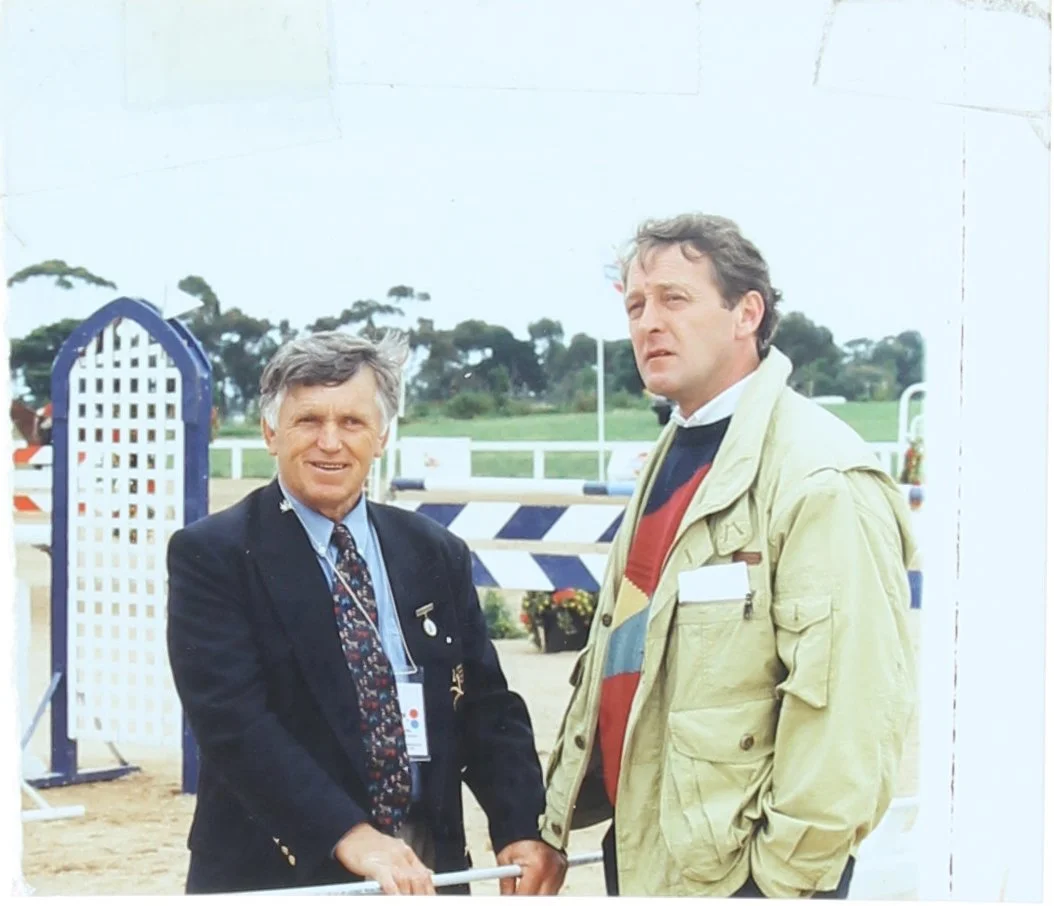
Pictured: Minister for Sport, the Hon. Tom Reynolds MP (left), shaking hands with Reg Cleland OAM (right), whose decades of leadership and dedication helped shape Werribee Park Equestrian Centre into the venue it is today. Reg's lifelong contribution to Australian equestrian sport was recognised with a Medal of the Order of Australia (OAM) in the General Division as part of the 2026 Australia Day Honours List.
Continue Reading…
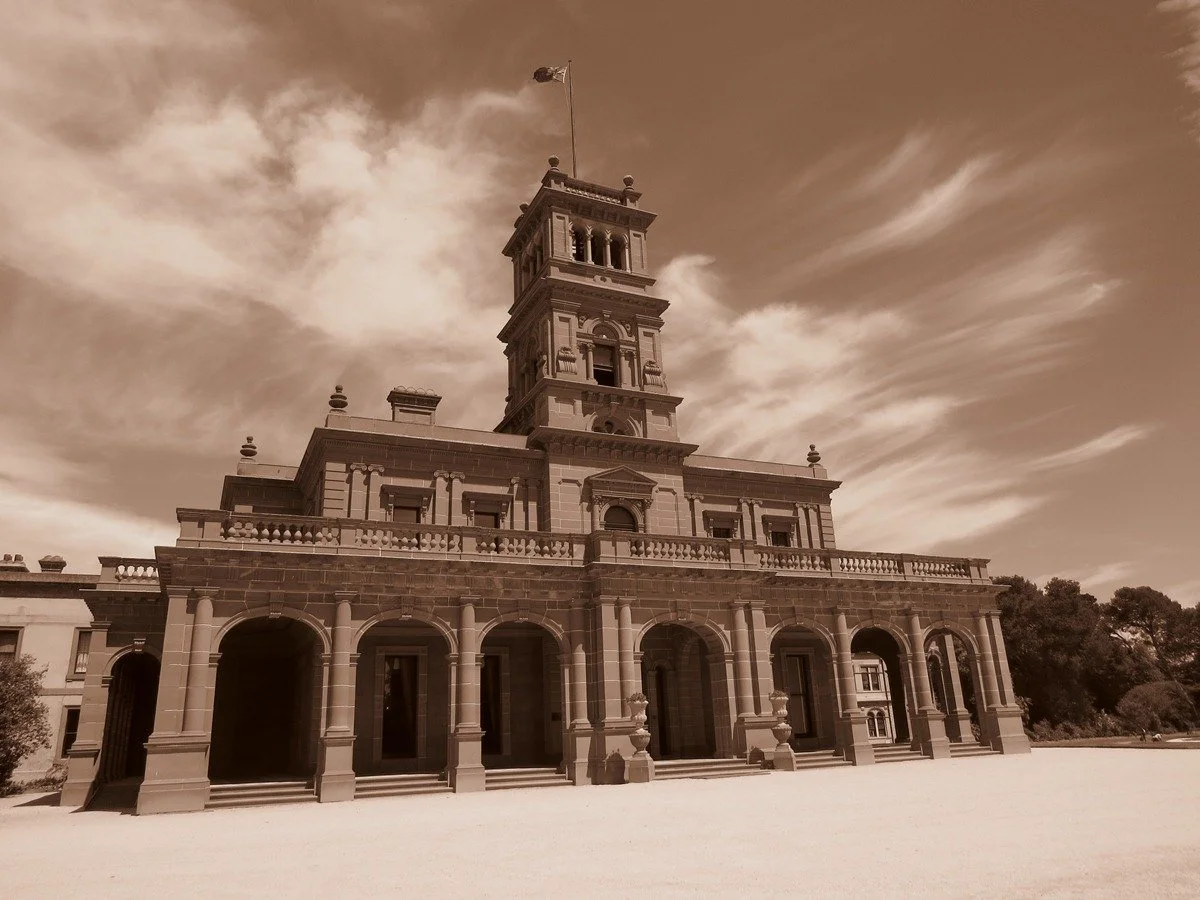
In 1973 the Victorian Government purchased 130 hectares of land from Corpus Christi to secure land for a multiple-purpose venue close to the Melbourne CBD. The jewel in the crown was the Italianate mansion, now known as the Mansion Hotel, which had been built in 1877 by the Chirnside family as the flagship of their vast pastoral empire. The venue would also consist of the equestrian centre, zoo, golf course and park, and is now known as the Werribee Park Precinct.
In 1983 a meeting was called between all equestrian bodies to discuss leasing Werribee Park from the State Government. It was decided at this meeting that the two organising bodies to bring this about would be the Equestrian Federation of Australia (EFA) (Victorian branch) and the Victorian Polo Association.
The Equestrian Centre was officially opened on 9 October 1983, though all major equestrian activities had been conducted at Werribee since 1973.
After another ten years of hard work by a dedicated group of volunteers with a vision for the future of equestrian, in 1992 a 21-year lease was signed with Parks Victoria. Reg Cleland was a founding member of this group and was a familiar sight at the centre for many years to follow. His significant contribution to equestrian was recognised when he was inducted into the Equestrian Victoria Hall of Fame in 2016.
In 1993 a grant of $700 000 was obtained from the Victorian Government’s Department of Sport and Recreation to construct facilities to increase the venue’s income earning capacity. As a result Indoor Arena 1 and some stables were built. These enabled the Asia Pacific Equestrian Games to be conducted in 1995, 1997 and 1999, providing international competition opportunities leading up to the 2000 Sydney Olympic Games.
A further grant in 1997 enabled the construction of the offices and more stables. In May 1999 the EFA Victorian branch established an office at Werribee Park. Two other office spaces were rented to Polo Victoria and Mal Byrne Saddlery. The end office, originally used as a board room, later became the Riding for the Disabled Association office. Alan Bruno became the first manager of the venue, with his office located in the Old Admin Building. At a later date Reg Cleland became the works manager.
The EFA had its first headquarters at the Melbourne Showgrounds. The EFA established state branches and the Royal Agricultural Society (RAS) in each state was the secretary for each respective EFA state branch. Originally the RAS kept all the records and helped with the financial recording. As the EFA grew it became increasingly obvious that the two bodies would need to separate. With the EFA and RAS maintaining separate paperwork and staff, a move to the venue where all the equestrian activities were being conducted seemed an obvious choice, hence WPNEC was the head office for EFA (now known as Equestrian Australia) for a number of years.
Alan Bruno was the venue manager for many years and oversaw the building of most of the works which stand there today. Alan was succeeded by Graeme Barker for a short period until an outbreak of equine influenza in 2007, which gave rise to fears that the venue could not sustain the pressure of running without an income.
Melbourne International 3 Day Event has a long association with Werribee and although it has not always been run at the venue, initially ran through what is now the vineyard and along the Werribee River. After the vineyard was built, Smiths Paddock was used. This presented problems as that meant the horses crossed the main entrance into the Zoo and Mansion, until the roads and tracks format was dropped from eventing. Losing the vineyard certainly gave the committee many challenges and they were fearful that the horse trials would not be able to run. It is a testament to the tenacity of these people that MI3DE survived the many challenges and celebrated its 60th year in 2017. Barastoc is another major event that has run at WPNEC for many years, with more than 2000 horses on the polo fields.
Since the signing of the lease the following have been built largely through the efforts of volunteers, particularly Friends of Werribee. These include Indoors 1 and 2, the EV offices, Mal Byrne saddlery, an international standard cross country course, 6 dressage arenas, 300+ yards, 180 stables, wash bays, lighting and power to the camping areas, surfacing of roads and tracks, show jumping arenas and fencing, development of the multi-purpose grass arena into a surface suitable for Olympic and World Equestrian Games qualifier events, tree and garden planting, windbreaks and ablution blocks.
The equestrian community salutes the many volunteers who have contributed to the establishment, construction, maintenance and support of WPNEC through its 35-year life. Long may the tradition continue.